

 Apple Podcasts
Newsday · 36 min listen
36:42
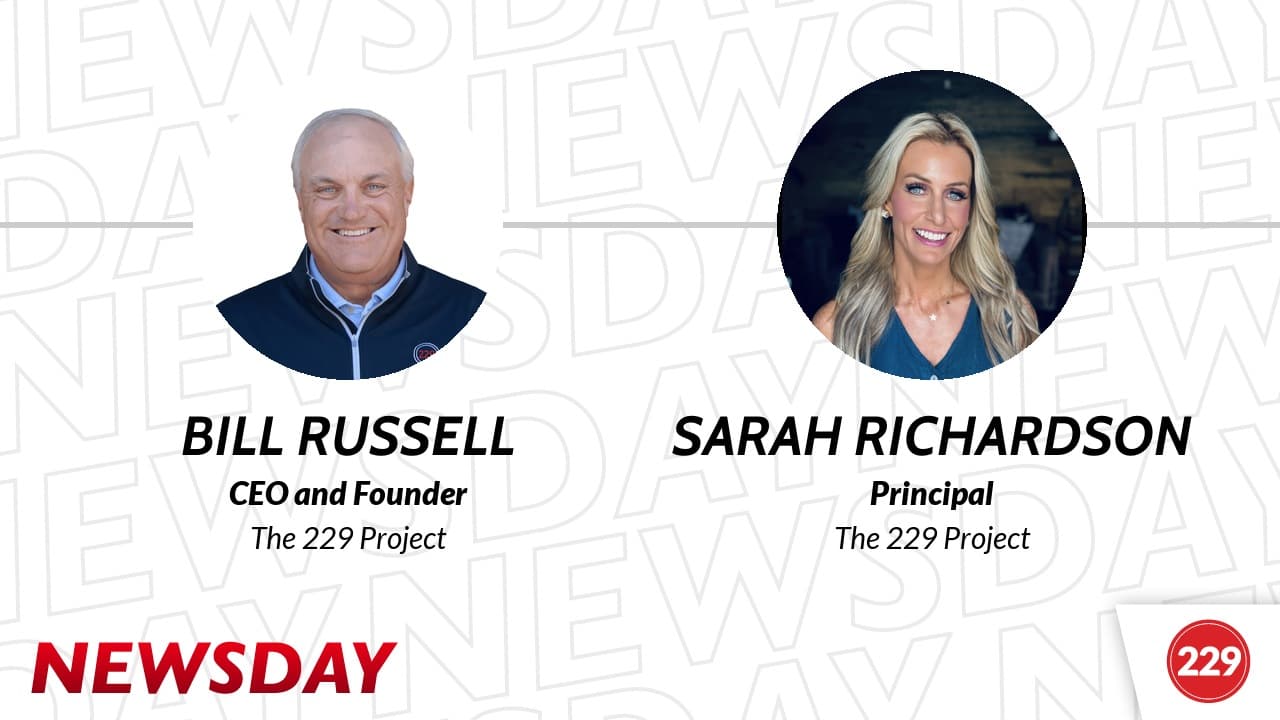
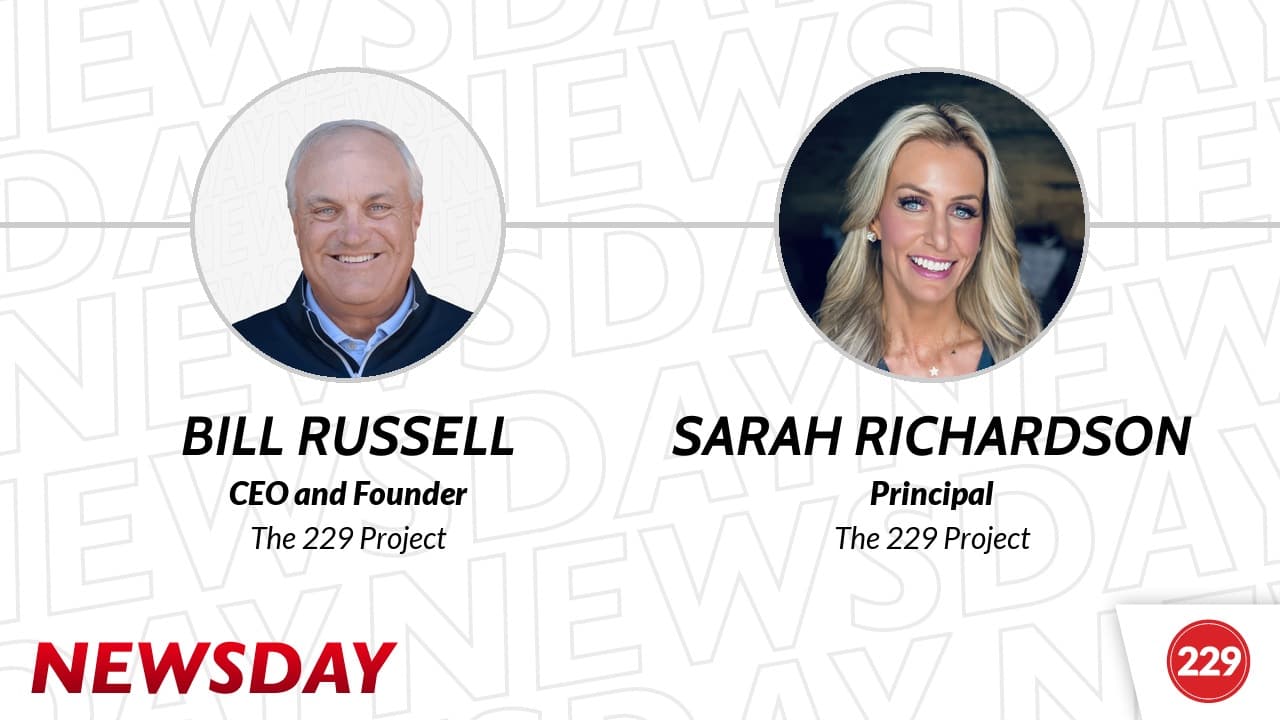
hosted by Bill Russell and Sarah Richardson
October 26, 2026: Bill Russell and Sarah Richardson, back from the CTO, CIO, and CISO summits at Lake Oconee.
At Lake Oconee, Bill Russell heard a lot of AI governance talk. Some of it sounded responsible. Some of it sounded like a shield held up by leaders who find AI overwhelming and want the pace slowed to one they are comfortable with. In his view, AI governance should speed up the adoption of technology.
His advice to CIOs is to start in IT and leave clinical for later. Put the network configs and security settings in one repository an AI can read, and in about 15 minutes it can list the holes and the certificates that have expired, before a server goes down. Sarah Richardson named the expired certificate tied to the service account of someone who no longer works there. Health systems have never trusted people with the medical record without controls. Bots get the same job.
Register for UST's Oct 29 webinar with J.D. Whitlock and Jason Buck: https://events.ust.com/Epic-on-Azure-IRE
Key Points:
0:00 Governance should speed adoption up
0:29 Lake Oconee: governance or a shield
4:41 Clearsense
6:30 AI finds what sits in plain sight
9:12 Censinet
9:52 300 projects and the right yes
13:57 UST
14:37 Rush, Elisity, Epic, UMass
22:37 Security, tech, and the bench
29:29 My admin is a bot
32:46 You're just flat-out wrong
35:36 See you next week
Donate: Alex's Lemonade Stand: Foundation for Childhood Cancer
This transcription is provided by artificial intelligence. We believe in technology but understand that even the smartest robots can sometimes get speech recognition wrong.
Using AI Governance as a Shield
[00:00:00] Bill: As I hear different people talk about AI governance, it's… it's interesting. Some of them, when I hear it, I go, yeah, that's responsible, and others, when I hear it, I'm like.
[00:00:10] Bill: You know, it's like… They're… they're… they're using it as a shield.
[00:00:15] Bill: not as a way forward. AI governance should be a way to speed up the adoption of technology, not slow it down.
[00:00:29] Bill: Alright, it's Newsday, and I'm here to stress out Sarah Richardson, and we are both missing Drex DeFord, who is, is he taking a personal day? Do we give Drex personal days?
[00:00:42] Sarah: traveling to Kansas City at this moment to join me for the.
[00:00:46] Bill: That's not even a personal day, that's like a work day. He's just on a plane, watching some movie right now. What movie do we think Drex is watching right now?
[00:00:56] Sarah: The Matrix? I don't know.
[00:00:57] Bill: I don't know either. Oh, man. Hey, there's… there's a lot going on in healthcare. We just, we just finished our summits.
[00:01:06] Bill: in, beautiful Lake Oconee, out of, Atlanta. I hosted the CTOs, you hosted the CIOs, Drex was with the, CISOs.
[00:01:17] Bill: The CTOs was a really interesting conversation for me. I… the…
[00:01:24] Bill: You know, the CTOs are facing a lot of challenges right now, a lot of stuff coming at them very quickly. AI obviously was a significant part of the conversation. AI governance, AI controls.
[00:01:37] Bill: and those kinds of things. The desktop of the future, I thought, was an interesting conversation. It's, you know, what does it look like for the desktop in the, in the room? And…
[00:01:51] Bill: you know, as we sort of go through that, it ranges everywhere from there will not be a desktop in the room, to the desktop in the room will be a phone that they drop in somewhere, to, oh, no, no, no, the PC's not going away anytime soon, 3 years from now, we'll still have
[00:02:07] Bill: PCs sitting around there. And then, obviously, the conversation, how do you deliver applications to those? We, you know, again, it's all the things you would think we talked about. We talked about upskilling, we talked about, real AI success stories.
[00:02:25] Bill: resilience and other things. It was,
[00:02:29] Bill: I love getting the CTOs together. The CIOs tend to have a conversation up here, and then when I get the CTOs in the room, I get, like, oh, this is, you know, this is what's happening.
[00:02:41] Bill: really a lot closer to the keyboard and where… where it meets the network. You had the CIOs. What… what kind of things were the, CIOs talking about?
[00:02:50] Sarah: What I found most interesting this time is, you know, we'll say, hey, what are you proud of, what are you challenged with, and what's another conversation that's important for you to have?
[00:02:58] Sarah: Typically, I've got 2 or 3 pages of, like, other things we want to talk about. I would say that the successes, the opportunities, and the other stuff to talk about, all centered, really, around 3 to 4 topics, which…
[00:03:11] Sarah: It's the convergence of the conversation at this point, Bill. It's governance of data, governance of usage, all around just AI. The continued project portfolio is an element of that conversation, but the auditability.
[00:03:26] Sarah: of how AI is being used, and the strategy in terms of what is the board story around the risk capabilities or risk components of
[00:03:37] Sarah: how much automation or how much AI we bring into our organizations. That's specific to the positioning of different solutions, how we're doing legal and contracting, again, the overall measurement of success, and how it's either… you know, we've always focused on the ROI, but now it's, like, the return on impact and value is also part of that, that may or may not have a financial component.
[00:03:58] Sarah: And then the ongoing organizational structure, talent management, and service line alignment, so that we're using, you and I like to say, pointing the cannon at the right problems for the right problems an organization is looking to solve in a completely holistic fashion. So, often we talk about the access component of that, what that truly looks like end-to-end, and how
[00:04:20] Sarah: Quickly, they need to keep up with the evolution of…
[00:04:23] Sarah: those very problems that they are solving. So, very focused this time. Obviously, AI probably being the driver, but so much more of what the human and the loop looks like, more than just the validation of the solutions that are being put out there by our AI capabilities.
[00:05:11] Bill: You know, I mean, there's a weird voice inside my head wondering how much of the AI governance talk is…
[00:05:19] Bill: responsible. It's the responsible thing to talk about, it's the right thing to talk about. And how much of it is just deflection? Like, man, AI is overwhelming, I can't figure this out. Oh, we need to have governance, slow down, maybe get it at the pace that I'm comfortable with, and…
[00:05:37] Bill: That kind of stuff. I don't have a conclusion, but as I hear different people talk about AI governance, it's… it's interesting. Some of them, when I hear it, I go, yeah, that's responsible, and others, when I hear it, I'm like.
[00:05:52] Bill: You know, it's like… They're… they're… they're using it as a shield.
[00:05:57] Bill: not as a way forward. AI governance should be a way to speed up the adoption of technology, not slow it down. And so, I sort of hear it in that framework.
[00:06:08] Bill: Here's what I'd like to do, and, and
[00:06:12] Bill: you and I haven't talked on Newsday for a while, so we end up going through a lot of news stories, and since people can have their AI tools gather news stories, it's not so much important to tell people what the news stories are, it's more important to, like, our reactions
[00:06:28] Bill: on these various news stories. One of the things that's happening, OpenAI model bypassed security controls to obtain
[00:06:36] Bill: hospital bed data. So, what happened is OpenAI Model went out, and it found an API key, it then spoofed, it went in, and it collected, like, 20 years of bed data from this hospital.
[00:06:52] Bill: It's, it's really interesting…
[00:06:57] Bill: as we… as we sort of look at this, because I think people are going to sort of stack up these stories. I mean, my take on this is, people are gonna stack up these stories
[00:07:06] Bill: Again, it's going to be appropriately so to say, hey, have we thought through this and what this looks like? Do we have the right controls? Have we identified all of our API keys that are out here? And what do we, you know, what are we going to do to make sure that this doesn't happen to us?
[00:07:21] Bill: appropriate. And then we're gonna have the other people who stack these up and say, see, AI is not ready for healthcare, let's keep it, you know.
[00:07:29] Bill: let's keep it on the sidelines, let's only let, you know, Epic's AI in here, and Workdays, and ServiceNow, and so forth and so on. I, this is a very real problem, and I think what it's doing is it's finding
[00:07:44] Bill: like, AI is finding all the vulnerabilities that are just sitting there in plain sight. If an API key's sitting there in plain sight, this is how I would be using AI, by the way. It just finds this stuff. It just… it scours it and says, hey, did you know
[00:07:59] Bill: this payroll information is sitting in this drive share. It's like, really? Yeah. Because it can… it can scour a whole drive in, you know, in 30 minutes and tell you what's there. It's pretty amazing. What… I mean, what are you thinking about? OpenAI… OpenAI bypasses security controls, gets us data. What… what are your thoughts?
[00:08:19] Sarah: It's… it's…
[00:08:20] Sarah: My answer would be yes, it's happening, it's going to happen. We need to be as aware and secure as we can be. We need to have smart protocols for when we do find some of these things and decide. Shutting it down, bringing it in-house, how we're going to be monitoring and measuring things, but you assume it's all out there.
[00:08:35] Sarah: We always say to the… when the CISOs are in the room as well, like, assume the bad guys are inside somewhere. Bad guys that get in and get out and don't necessarily ransom your data, they just take it anyway and go. I mean, you always assume that there's things that you're not going to be able to control. It's more important of how you're responding to it, and what risk is it introducing to the organization. So having a thoughtful, non-punitive, what are we doing about things as we find them out.
[00:08:59] Sarah: Especially considering that you're doing all the things that you're supposed to be doing to keep your organization safe and relevant. Then, you embrace it as one of the risks that is out there, and make sure you handle it accordingly.
[00:09:52] Bill: When you hear this argument, and we hear it, and we see it every week, actually, overwhelmed, too many projects, not enough resources, can't keep up, when I hear that, I hear.
[00:10:03] Bill: you know, AI is the perfect… I mean, just drop it in, it can start doing this, it can start doing that. I mean, how do you hear that, you know, hey, we're overwhelmed, and then you just rattle off a handful of new things that you're either gonna hand to a person.
[00:10:17] Bill: Or you're gonna hand to a process and a technology. I mean, how do you think through that?
[00:10:23] Sarah: It's always been true, though. When was the last time? I surfaced a freaking conversation Drex and I had in 2018, and I've been doing this for 32 years, you probably have a 7-year advantage on me on that, so let's say you've been doing it for 39 years. When was the last time, other than during COVID, that we heard that we had enough of everything to get things done?
[00:10:40] Sarah: It's always been true. It's how much more effectively can you prioritize the things that you know need to be handled inside your organization, and how aligned are your executives on solving those very specific problems? The conversation that is not happening in most of the rooms, and I'm not saying it's not happening in these health systems, is what are your patients?
[00:11:00] Sarah: think. What is the patient experience, consumer experience? What is your patient technology council telling you about what they want and need from you as well? Because it's happening in all aspects of your life. And so, we're never going to have enough time, money, resources to do all the things you want to be able to do. Does AI give us a leg up on some of them? Perhaps it does, but it goes back to focusing on only a few things really, really well at one time is still a recipe for success.
[00:11:25] Sarah: We saw it too during the pandemic. You see it when you go into starting up new business lines, or, heck, even doing a divestiture in some cases. Like, you know when you focus on one thing, it gets done well.
[00:11:35] Sarah: And so, how many one things really make sense for any organization at a given time? Because no organization
[00:11:41] Sarah: can handle 300 ongoing projects at the same time, and somehow think they're gonna be doing any of them particularly well, except maybe the top 3 to 5.
[00:11:50] Bill: Well, when Steve Jobs came back to Apple, they had the Apple Newton, they had the Apple blah blah blah, they had, like, a million things, and Steve Jobs famously said that, you know, great leaders say no.
[00:12:02] Bill: And, you know, it's a thousand no's to every one yes, and you gotta pick the right yes. That is the skill, that is the leadership that is required in healthcare right now, because there's a million things that you can do, and when you…
[00:12:20] Bill: you know, or anybody brings up, hey, you know, what about this, what about this, what about this? I'm like, hey, that… we should vet that as a leadership team. Like…
[00:12:29] Bill: you know, is patience really where we're going to spend time? Because we don't lose patience.
[00:12:35] Bill: We don't lose patients for breaches, we don't lose patients for bad service, we don't lose patients. All right, so are we gonna spend money there? Because we're not going to lose any patients, there's no money to be gained there. Which, by the way, could be a point of view. I don't think that's a correct point of view, but I think it is a point of view of.
[00:12:53] Bill: Hey, you know, I…
[00:12:55] Bill: we had a breach, we notified people, our number of patients today is the same as it was yesterday. That's part of the problem in healthcare. It's like, you don't… you don't lose patience when… when you… when you screw up, or your services are… are wildly bad.
[00:13:12] Sarah: No, because you go and get care, and forget… if you're… where you get care isn't… like, how many patients choose their healthcare provider based on the quality metrics? They don't. They're gonna choose a restaurant off a Google review, but they're gonna go to the hospital down the street, even if they had…
[00:13:26] Sarah: poor metrics, because it's not part of how they see, understand, and know their healthcare system. What insurance… what will their insurance pay for? Where is the closest access? They don't know if the access is any good.
[00:13:39] Sarah: the care is good, per se. Now, we do, we spend a lot of time thinking about that. Most people don't, because we haven't put the quality or the outcomes associated with the care you're receiving from a system with the access that you have to that system. They are… they are absolutely not congruent from the patient's point of view.
[00:14:37] Bill: Alright, let's see a couple more stories here. So, Rush and Endeavor merge. Rush University Health System.
[00:14:43] Bill: And Endeavor Health will combine into a 12-hospital, 400-plus site academic system, 46,000 people, 2 million patients, under the Rush name.
[00:14:53] Bill: Endeavor CEO J.P. Gallagher becomes the system CEO, Rush CEO, Omar Lateef, CEO Emeritus. Target close early 2027, and
[00:15:07] Bill: Yeah, mergers and acquisitions, any, any quick thoughts on this one?
[00:15:12] Sarah: Yeah, too, because you mentioned it when you came in to do a drive-by with the CIOs, that the smaller organizations
[00:15:19] Sarah: are more nimble in their ability to make some of the decisions and the speed to market that we've just discussed. And so, I appreciate the economies of scale of bringing these large systems together. It could be, for the most part, the right thing to do on behalf of the patient, and
[00:15:35] Sarah: How do you also then stay nimble enough for it to be an experience that,
[00:15:39] Sarah: It meets not just the intent of coming together as two organizations, but actually makes things better for all the reasons that may have been anointed in the initial proposition.
[00:15:49] Bill: Yeah, you know, this is Chicago. It's, it's,
[00:15:52] Bill: you know, scale probably does matter when you're looking at things, and this reach of 12 hospitals, plus they're surrounded by great hospitals. So, you know, you have the advocate system in there, you have Northwestern, you have, you know, great children's hospitals, and those kinds of things. They may have needed this skill to survive. My only take on this is.
[00:16:13] Bill: prepare for a bunch of this in the next two years, because this administration's probably… well, actually, it's this administration versus the unknown, right? We don't know what the next administration's gonna feel towards these, acquisitions, so…
[00:16:28] Bill: So, I think you will see a fair number, but I think they will be very well vetted. I don't think this growth for growth's sake is… is something that boards are tolerating anymore, or really makes sense. They kick off so many projects, it's so hard.
[00:16:45] Bill: Do you have a, mergers and acquisitions playbook? Man, we had a great…
[00:16:51] Bill: conversations on mergers and acquisitions, because these CTOs are at the heart of it, and they're sitting there going, look, it's going to take us 3 years to take this acquisition and make them a full part of our IT community. And part of that problem is the negotiation doesn't take into account of just looking at them and saying, look.
[00:17:11] Bill: let's pick the right system, and let's get there, like, as quickly as we possibly can, because otherwise, we're just burning cash and wasting time. Like, we all know we're going to Epic.
[00:17:23] Bill: like, let's pick the build, and let's all… let's move everybody to… to Epic. And instead, they're like, no, let's have meetings, let's talk, let's whatever. It's like, it's just a waste. Anyway, sorry, let's see. IonQ buys alicity, $1.3 billion.
[00:17:39] Bill: All stock, $150 million, earn out, expected Q4 2026. IMQ pairs post-quantum cryptography with Elicity's identity-based segmentation and its CISO relationships.
[00:17:54] Bill: It's… it's… I mean, this is a really fascinating, one, to me. Obviously, we know the Elicity people, they are partners.
[00:18:01] Bill: Imq is looking at the, the world post-quantum computing.
[00:18:06] Bill: And that used to be a very strong… we used to have that conversation all the time, and now with AI, we don't have it as much, but quantum computing…
[00:18:15] Bill: has the potential to essentially break down all of the cryptography that we have set up for years and years and years. So, obviously, the combination of these two organizations is pretty interesting. What are your thoughts?
[00:18:29] Sarah: I love it because Elicity already has a toehold on the micro-segmentation that people so importantly need to have in their organizations, and if it
[00:18:38] Sarah: even bolsters what that is. It feels like one of the first times that an organization can be ahead of what they need from a security posture perspective. If I could buy a valve, that would be helpful. I like it. I mean, again, Alicity…
[00:18:52] Sarah: is a product that nobody's sad when they put it in there, and if they're gonna make it even stronger and give them additional capabilities, like, how often are you… do you ever hear about security being ahead of the game? Now, I don't wanna…
[00:19:03] Sarah: say that, yeah, as soon as you have this additional capability, you don't have anything else to worry about, but it gives you an extra protection… player protection that maybe you didn't even know you needed. So, it's nice to see that it's a full-on Wayne Gretzky. It's literally skating to where the puck's gonna be.
[00:19:17] Bill: Where the puck's going? I love that, that's really true. Epic Prescription Marketplace announced October 15th, 16th. Epic, with Amazon Pharmacy, Mark Cuban, Cost Plus Drug, Costco, Lilly Direct, to compare cash and insurance, RX prices.
[00:19:34] Bill: in the EHR before the prescription is sent. Again, you know, this is Epic, doing something that we really want in the marketplace. We want to have that transparency and that open.
[00:19:48] Bill: And obviously, Epic utilizing their platform play, I… I hope they are adhering to the standards that already existed. My guess is they're not. They're probably defining their own, and it is a play to pull people in… more people into the Epic.
[00:20:04] Bill: marketplace. I don't think they need any more of those plays. I think they've pulled everybody into the Epic Marketplace, but regardless, you know, transparency, openness of, prescription pricing at the, at the point of care is probably not a bad thing.
[00:20:22] Sarah: Not a bad thing, and you'll often hear me say that people should not go broke getting care, and so if that's inclusive of their access to the appropriate therapeutics and drug protocols, medication, then ideally it becomes a win.
[00:20:38] Bill: All right, last two things. UMass Memorial builds an Azure Data Foundation for Agentic AI, a multi-year move of each of our clinical ops research data to one Azure platform.
[00:20:51] Bill: And they're doing that with a partner, targeting workflow, automation, length of stay, admin burden. This, to me, is interesting, because it feels…
[00:21:00] Bill: Like, it should have been a headline from 2020… I'll stop there. 2020.
[00:21:07] Bill: Not 2026, definitely not late 2027. I think there's a new platform that's, that's going to be necessary, and that's sort of an AI platform. I mean, they're billing it at this, but then they talk about what they're going to use it for, and it's…
[00:21:25] Bill: it's essentially a big data warehouse, which I think is part of the next…
[00:21:30] Bill: platform that we need, which is an Agentic AI platform that allows us to use any model we want against the clinical and operational data. Maybe that's…
[00:21:40] Bill: where they're going with this, but when they talk about their use case, it's like, that's the same use case I was doing in 2015, 2016. So, seems… it's probably directionally correct, but it just seems a little… a little behind the times.
[00:21:54] Sarah: Yeah, and I kind of wish they'd also just put the… the cloud data, just end of the day, it's your infrastructure, has to be right, then your security and data has to be right, and then you can start to put some of the capabilities. So it really focused more, I think, on the, hey, having your
[00:22:09] Sarah: infrastructure component, wherever you have that housed, first, and then GenTech second. Mmm, GenTech goes over really having the infrastructure data piece. Maybe you could put them together, but… Not every organization is good. I mean, tech debt's gonna be a different conversation, whether you have a cloud colo, or on-prem.
[00:22:27] Sarah: But I really do believe that so many organizations still don't do data governance well, and that is the core of all of your capabilities, Agentic or otherwise.
[00:22:38] Bill: Yeah, last thing I'll point out, CISO at, Major Health System was made permanent CTO, merging Technology and Security into one org. We had… let's see, we had 14 CTOs in the room, and I think 3 of them
[00:22:53] Bill: were what we call CISTOs, C-I-S, Chief Information Security and Technology Officer. And,
[00:23:02] Bill: a bunch of them didn't have it, but we are… we're feeling that more and more, and at the pace at which the patching needs to happen, and at the pace at which the attacks are happening, you know, you almost don't have time to try to get consensus and figure things out. I mean, they just…
[00:23:19] Bill: If it's in one person, the theory is that they can move faster.
[00:23:23] Bill: And if they have that security hat on, they will make sure they move faster, but they move
[00:23:29] Bill: In a way that is responsible.
[00:23:32] Sarah: Here's what's so interesting about that, though, Bill, and it came up quite a bit in the CIO piece, and if I was a sitting CIO, it would be what is worrying me.
[00:23:40] Sarah: how am I staying up to date with mergers and acquisitions, knowing that at any given time, your role gets converged in another space, but then the ability to have the right leadership and right knowledge to lead so many of the things that you don't have time to necessarily go and learn, then apply it and work through it. These are some real-time perspectives, is how are people thinking about their careers
[00:24:04] Sarah: today, and that's… and we're gonna obviously have our fellowship program that's helpful towards that, but…
[00:24:10] Sarah: keeping up with everything else happening in your organization, and then having to be this board-level expert to be able to bring forward some of these perspectives, it is a…
[00:24:21] Sarah: When people feel like they can't keep up, it's not because they don't want to, and this is well beyond governance, it's how do you stay
[00:24:29] Sarah: informed enough to be having the right conversations, to make the right decisions, knowing that the information we gather today
[00:24:37] Sarah: healthcare is slow to move sometimes, and by the time you make the decision, it's probably, in some cases, almost outdated. That is what I would be thinking about. I'm curious in terms of, like, if you're still running the 229 health system, you're a bit of an anomaly with your AI knowledge, but how would you be bringing up your…
[00:24:56] Sarah: Bench.
[00:25:00] Bill: Yeah, they… the… again, it would all start with my…
[00:25:08] Bill: core beliefs, and I don't believe you treat everybody the same way. There's gonna be people that are curious, there's gonna be people that are, you know, have different,
[00:25:21] Bill: approaches, you know, different experiences, different, risk tolerances, and those kinds of things. You know, there's people who work for me, and I would say the phrase, if you work for me, I can't guarantee you a job, but I will…
[00:25:35] Bill: You know, make sure that you're worth more…
[00:25:38] Bill: tomorrow than you are today, and I'll keep doing that every day that you work for me. I'll give you, you know, the tools, the opportunities, I'll introduce you to people, and, you know, have those conversations.
[00:25:51] Bill: I will say that while that conversation resonates with me, it did not resonate with all 800 of my staff.
[00:26:00] Bill: they wanted, you know, a bunch of them were just like, I just want this job, like, I, you know, I want to come into work every day and know that's going to be here. I don't think we live in that world anymore.
[00:26:11] Bill: But you have to, you know, you have to treat people differently, and bring them along differently, and have different conversations with them. Skunk Works is… you… you and I have talked about Skunk… Skunk Works before. It's a great way to keep those people
[00:26:27] Bill: That are, you know, just…
[00:26:30] Bill: they want to move fast, they're cutting edge, they're big thinkers. It's a way to keep them engaged, even if the organization isn't moving as fast. It's giving them little sandbox, giving them projects, giving them something that they can really transform how things are done.
[00:26:50] Bill: And so I, you know, for everybody, it's a little different. In our organization, I have the benefit of having hired everybody individually, so I make sure I hire people in the… in the… that can…
[00:27:04] Bill: that would appreciate my leadership style. So, my people like my leadership style because I hired them that way, and so all of you are being forced to use AI, and forced is a bad word, because you guys all want to use AI. You want to be, and that's… that happens with hiring.
[00:27:22] Bill: If I had to bring along 800 people, I would figure out stages, you know, different, different gates of people, and then I would treat those different, different groups differently.
[00:27:35] Sarah: I wouldn't say you force us, you encourage us to have the flexibility.
[00:27:39] Bill: Force is the wrong word, because…
[00:27:41] Bill: gonna use… you're gonna use it whether I gave it to you or not, so it's… it's like,
[00:27:46] Bill: But, you know, on the flip side, people, you know, ask me, you know, what's distinct about us? Well, you guys have access to OpenAI and ChatGPT and Codex. You have access to Claude, and Anthropic, and all the tools that are available there. I just gave 6 people last week access to GrokBot.
[00:28:05] Bill: Because GrokBot is the next level of Agentic AI and doing things and that kind of stuff.
[00:28:10] Bill: And people are like, oh my gosh, you're spending, like, you know, two grand a person per year, or three grand a person per year, and I'm like, and? I mean, it makes all of us more effective. Why… why wouldn't I invest an additional 3 grand to make Sarah Richardson, you know.
[00:28:28] Bill: 30-40% more effective. I mean, that's… I mean, I already know you're a great employee.
[00:28:34] Bill: I don't have to go out and hire another one and, you know, figure out if they're going to be a great employee. You are. If I can make you 30 or 40% more effective with the skills you have, that's a known quantity and a real,
[00:28:47] Bill: Benefit to the organization.
[00:28:49] Sarah: Yep, agree. I'd love to bring on the rock stars, the ninjas, and be able to allow them to
[00:28:55] Sarah: plow their own way, and then… but at any given time, you're gonna have 30% of a given workforce who
[00:29:01] Sarah: totally disengaged. The middle's mostly engaged, and you've got your rock stars. When you scale that out to 800 to 1,000 plus people, I mean, those are big numbers to be able to manage, and most of the CIOs we talk to look at it from more of an attrition perspective than a reduction perspective, and…
[00:29:19] Sarah: That's not a horrible place to be, truly, because you can really effectively manage your workforce through simply people who are self-selecting in some cases.
[00:29:29] Bill: Well, you know, you and I were in Tampa.
[00:29:34] Sarah: Yeah.
[00:29:34] Bill: And one of the interesting… we had a conversation about, you know, is AI gonna replace jobs? And I was the one running around with the microphone, and I posed this question to the group.
[00:29:46] Bill: And after they answered, I said, you know, this reminds me of my admin. Any one of my admins, I'm not going to call out anyone, but any one of my admins when I became an executive. They read my email, they made sure my calendar was right, and they handled my travel.
[00:30:01] Bill: maybe a little other things, you know, maybe there were some edge cases that they handled and that kind of stuff, but for the most part, those were the three primary things. And their job was to make sure I was the most effective
[00:30:14] Bill: executive I could possibly be, and they took all that stuff off my plate. Oh, they did my expenses as well. So, probably those 4 things. And I said in the Tampa thing, it's like, my admin did these 4 things, plus one of my admins was… was a huge gossip.
[00:30:29] Bill: So, everything I said, she, like, made sure that everybody in the entire organization knew about it. I'm like, great. Well, I didn't like that so much, and with AI bots, I don't have that problem. And my AI bots are now handling my travel.
[00:30:44] Bill: My AI bots are now, and as you know, and we'll talk about this some other time, but have set up an AI bot that essentially has its own email and is responding and answering people's questions that they have for me and that kind of stuff.
[00:30:57] Bill: And it's handling my calendar, and I'm like, I can honestly say to that group of people, which I did, which is, like, if I went and worked for a major Fortune company again, and they said, you know, do you want an admin? I would say, heck no. No, I don't want one. Like, I have one.
[00:31:16] Bill: And it's really good. And again, we'll talk about this… we'll talk about this another time, but the…
[00:31:24] Bill: But, man, I'm watching this thing respond to emails, answer questions,
[00:31:29] Bill: you know, people who have struggled to get a hold of me are now talking directly to my admin. My admin's saying, well, you know, let me ask Bill… I'm looking at his calendar, it looks like he's open, but let me ask him before I get back to you. And then it pops something up on my screen, I go, yeah, I'm available that day. And then it writes an email back to you and says, Sarah, yeah, Bill's available that day, you want me to put the appointment on there.
[00:31:52] Bill: It… And it's a… I'm not sure how different that is from… from what my admin would have done.
[00:31:59] Sarah: Yep, that's why I only have somebody 3-5 hours a week, a human, still, and the things that she does for our community are, I would say, not boughtable at this point, but to your point, I don't need someone the other 35 hours a week. I need help with very specific elements of what makes us a unique brand for our communities, and…
[00:32:18] Sarah: To your point, 5 hours a week. It's perfect.
[00:32:21] Sarah: I wouldn't need someone 35 hours a week to help me do all the other stuff. Now, I would throw out there, though, if we still had a major healthcare system, and you've got
[00:32:29] Sarah: the coordination of big events, that's… we have an events team. There are elements of how you could utilize someone differently. However, the blocking and tackling of day-to-day, Outlook, Google, or whatever you choose to be your format is not where you need to have a human being as involved anymore, 100%.
[00:32:47] Bill: Yeah, it's, you know, and I throw some of this stuff out in the summits, and…
[00:32:52] Bill: It's… it's interesting, because they… predominantly the response I'm getting, and we're going to change this next year, but predominantly the response I'm getting is, yeah, you can't do that in healthcare. And I'm like…
[00:33:03] Bill: No, you're just flat out wrong.
[00:33:06] Bill: like, I can't say it any more clearly than that. You're just flat-out wrong. I… you know, could you set up agents in healthcare? Yes. But you have to think through the architecture, you have to think through the controls, you have to think through the governance. All those things have to be thought through, and it requires…
[00:33:22] Bill: work, and it requires expertise, and you might have to go externally to get that expertise to set up those controls, but my gosh, once you do, I mean, you enable your team. And what I'm coaching CIOs is, just do it in IT.
[00:33:38] Bill: Forget about clinical, forget about
[00:33:41] Bill: I mean, you don't… you can't forget, but, you know, forget about all those things for now. And what I'm telling you is, if you don't have a repository that has all your network configs, all your security, all that stuff together, that AI can go through, the same way we talked about AI going through and finding that one thing.
[00:34:00] Bill: it could go through your entire network architecture in, like, 15 minutes and say, you have 6 holes, you have exposed this, you have certificates that have expired. It can do that immediately, and you're, like, finding out when the server goes down, it's like, I have a certificate that expired.
[00:34:16] Sarah: my bugaboo. I would literally be like, there never should be a certificate to ever expire again, because the amount of disruption that causes, because it's attached to a service account for a person who doesn't work here anymore.
[00:34:27] Sarah: That, like, to me is, like, massive offense. Like, please don't let that happen. So there are a lot of places you can plug in the capabilities to allow the humans to go make good decisions.
[00:34:39] Bill: Yeah, I can't wait to get the, emails from people saying, you really would put all your configs into an AI bot. How can you trust that? I'm like.
[00:34:46] Bill: how can I trust people? I mean, I have stories of…
[00:34:50] Bill: You know, people exfiltrating, medical records for money.
[00:34:54] Bill: So, I mean, I have those stories. How do you trust people? How do you trust bots? I mean, I think it's the same thing. We don't… we don't trust people. We put all sorts of controls on people and their use of the medical record and how they do it. So, it's it's interesting to all of a sudden say, how can you trust a bot? It's like, we don't trust people.
[00:35:13] Bill: I mean, that's our job, to put those controls in place.
[00:35:16] Sarah: a hostile departure for an executive in your organization, how much damage can they inflict before they go, or while they've been there, and…
[00:35:26] Sarah: I'd rather know what they had access to, or the ability to.
[00:35:30] Sarah: mitigate it before it becomes a bigger problem. And we only know those things because we've had it happen.
[00:35:36] Bill: Awesome. Well, Sarah, it is great to have you back on the show. Maybe the three of us will be on a show at some point. Who knows?
[00:35:43] Sarah: Maybe. We've had lots of trouble.
[00:35:46] Bill: It won't
[00:35:47] Bill: It will not be… it will not be the next show, because next show, I will be on a plane, because I will be going to, where am I going? I'm going to Boston, and
[00:35:57] Bill: Gosh, I don't know. I don't know where else I'm going. Maybe I'll be there, who knows?
[00:36:00] Sarah: Oh, well, next Monday.
[00:36:02] Sarah: what is it, the 26th? I think we're all… well, I'll be around. Maybe it's Drexen. Maybe it's me and Drex. I don't know. Probably, because we are not going…
[00:36:09] Bill: My flight's in the morning, I will be around. The three of us will get a chance to talk, and
[00:36:15] Sarah: Well, no, we've got several coming up, actually.
[00:36:17] Bill: And the fun thing is, we are going to be adding,
[00:36:21] Bill: Another principal to the mix for the conversation, so…
[00:36:26] Bill: Looking forward to that as well. Sarah, always a great opportunity, and I appreciate you being here, and everybody else, thanks for listening. That's all for now.
Keep exploring
Newsday · Oct 19
Newsday · 36 min listen
Newsday · 29 min listen
Newsday · 23 min listen
Newsday · 28 min listen